
Warmer floors in winter
Insulation under the floor raises the surface temperature of timber floorboards, so your feet stay warm and rooms heat up faster when you turn the heater on.
Brunswick
Underfloor insulation stops cold air rising through suspended timber floors in Brunswick homes. We install bulk batts between joists in the subfloor to cut winter heat loss and draughts.
Share your details and Expert Insulation Melbourne will contact you about Underfloor Insulation in Brunswick.
Underfloor insulation is fitted between the floor joists from the subfloor under suspended timber floors. In Brunswick’s older weatherboard and brick veneer homes this is often the missing piece that causes cold floors and high heating bills in winter. We use glasswool, polyester or rockwool batts with R-values from R1. 5 to R2.
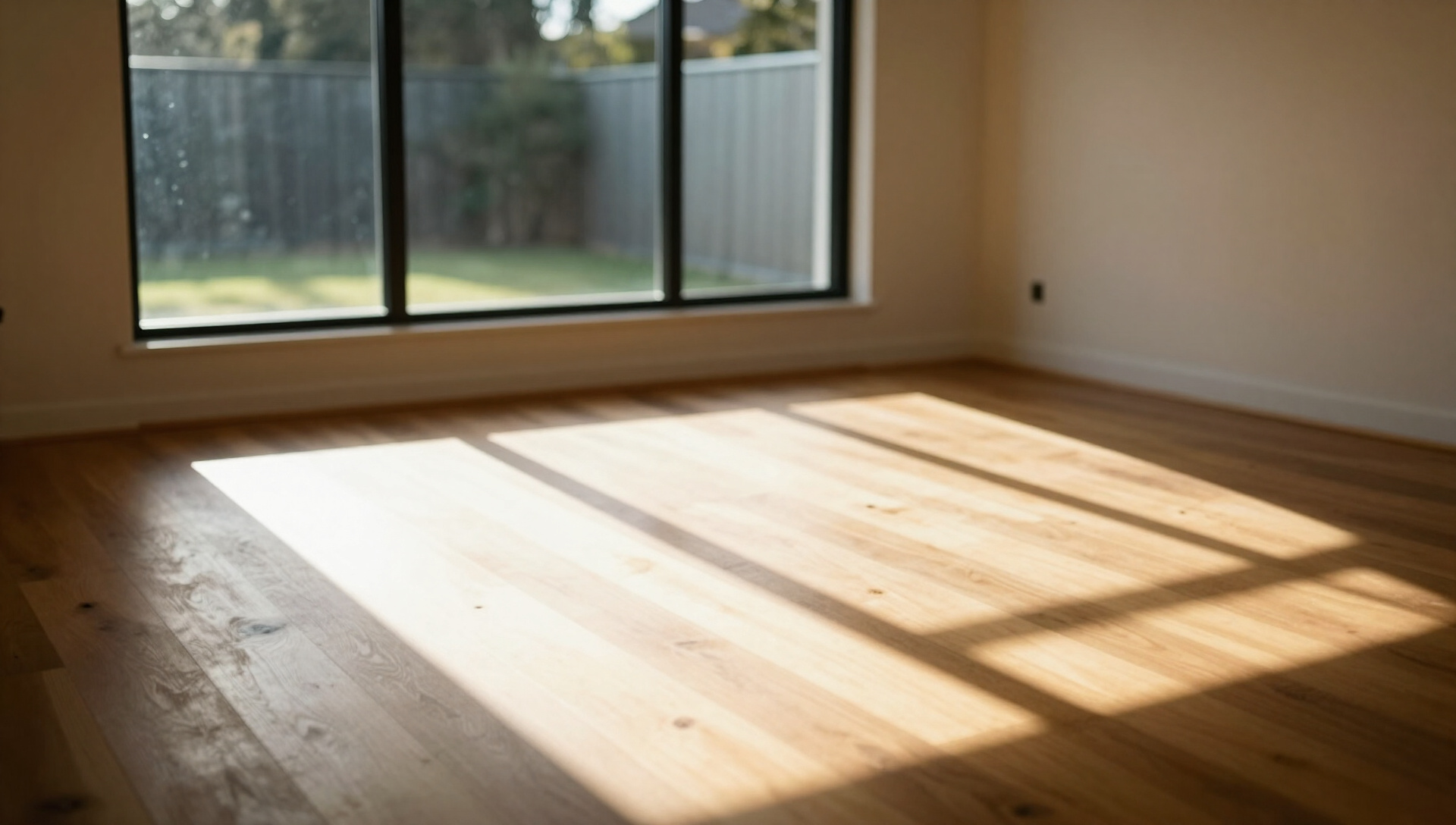
Brunswick’s mix of older weatherboards and postwar brick veneer homes often have uninsulated subfloors. Without insulation under the floor, cold air rises through gaps in the floorboards and around skirting, making rooms feel colder and forcing heaters to work harder. Underfloor batts fix this by adding a thermal barrier that also reduces draughts and moisture from the crawl space.
Insulation under the floor raises the surface temperature of timber floorboards, so your feet stay warm and rooms heat up faster when you turn the heater on.
By reducing heat loss through the floor, your heating system runs for shorter cycles, cutting energy use and power bills in Brunswick’s cold winters.
Batts fitted tightly between joists block the airflow that causes cold draughts around skirting boards and through gaps in old floorboards.
A well-insulated subfloor with a vapour barrier reduces the chance of condensation forming on cold surfaces under the house, protecting timbers and improving air quality.
Kitchens, lounges and bedrooms above uninsulated subfloors feel noticeably colder. Underfloor insulation evens out temperatures so the whole house is more comfortable.
Ceiling batts stop heat escaping upwards, while underfloor batts stop cold air coming up. Together they create a complete thermal envelope for your Brunswick home.
Access is the first consideration. We need at least 600mm clearance under the floor to work safely between joists. If access is tight, we may need to remove a section of skirting or a floorboard to fit the batts properly.
We start by checking the subfloor for clearance, existing insulation, moisture issues and any electrical or plumbing services that need to be worked around. If old batts are present, we remove them first.
We measure the joist spacing and cut glasswool, polyester or rockwool batts to fit snugly between the joists without compressing. Batts are friction-fit so they stay in place without staples or glue.
In damp subfloors we lay a vapour barrier over the ground before fitting the batts to reduce moisture rising into the floor cavity. This is common in older Brunswick homes with dirt floors under the house.
We ensure all gaps between batts and joists are filled, then replace any skirting or floorboards we removed. The site is left clean with no loose fibres or debris in the subfloor.
Brunswick’s older weatherboard and brick veneer homes often sit on stumps with suspended timber floors and no insulation under the floorboards. This construction is common in inner northern suburbs and leads to cold floors and draughts in winter. Underfloor insulation is a straightforward upgrade that improves comfort and reduces heating costs without major renovations.
Stop cold floors and draughts with underfloor batts installed under suspended timber floors in Brunswick.
Homeowners in Brunswick often ask about access, R-values and whether underfloor insulation is worth it in older homes. Here are the key details.
Underfloor insulation in Brunswick targets the cold floors and draughts common in older weatherboard and brick veneer homes on stumps. Without insulation under the floor, cold air rises through gaps in floorboards and around skirting, making living areas feel colder and increasing heating costs. Batts installed between joists in the subfloor add a thermal barrier that also blocks draughts and reduces moisture from the crawl space.
Typical R-values for underfloor insulation in Melbourne range from R1.5 to R2.5, depending on the product and the depth of the joists. Glasswool, polyester and rockwool batts are all effective, with polyester often preferred in damp subfloors because it resists moisture absorption. The job usually takes half a day to a full day, depending on access and the size of the house.
Cost depends on the floor area, joist spacing, chosen R-value and whether old insulation needs removal. Access is the main factor: we need at least 600mm clearance under the floor to work safely. If the subfloor is too low, we may need to remove sections of skirting or floorboards to fit the batts properly. Signs your Brunswick home needs underfloor insulation include cold floors in winter, draughts around skirting boards and high heating bills.
Call Expert Insulation Melbourne on 0399695249 or email info@expertinsulationmelbourne. com. au to arrange an inspection and quote for underfloor insulation in Brunswick.